
Money
Every Roblox High School money method compared: jobs and paychecks, fishing spots, daily routines and the fastest ways to stop being broke as a new student.
Introduction
Money is the gate on everything else in Roblox High School. Houses, cars, outfits and even the convenience of fishing at a better spot all sit behind cash, and a new student with an empty account spends most of their session walking instead of playing. The good news is that the economy is simple and forgiving once you understand the two rhythms behind it. Jobs pay on a schedule, so they reward you for staying put and completing a shift. Fishing and similar activities pay per run, so they reward a focused burst of effort at a specific place. Everything else — daily routines, selling items, small repeatable tasks — is a variation on those two ideas. This section compares every route by payout style and effort so you can pick the one that matches the length of the session you actually have.
Money Methods Compared
| Method | Payout Style | Effort | Best For |
|---|---|---|---|
| Part-Time Jobs | Paycheck on a schedule while you are on shift | Low | Your first steady income as a new student |
| Fishing Runs | Per-catch payout at spots around town | Medium | Lump sums between job shifts |
| Daily Routines | Small repeatable rewards for showing up | Low | Building a habit around a short session |
| Selling Items | Convert things you own into cash | Medium | Funding an upgrade without a long grind |
Income Methods
Part-Time Jobs
The backbone of every stable income plan, because a job pays on a schedule instead of forcing you to hunt for every single coin.
Fishing Runs
The classic lump-sum route, where a focused run at a good spot pays more than the same time spent standing around town.
Daily Routines
Small repeatable rewards that reward simply showing up, which makes them ideal for short sessions when you cannot commit to a long grind.
Selling Items
The conversion route: when you need a specific amount quickly, turning owned items into cash often beats grinding the difference.
Core Mechanics
The money system has two distinct shapes and it helps to treat them separately. Job income is time-based: you take a shift, remain on the job through its cycle and receive a paycheck when that cycle completes, which means consistency beats intensity. Activity income such as fishing is effort-based: you travel to a location, work it for as long as you choose and receive value per catch rather than per minute, which means the return depends on how efficiently you can get there and back. Selling items works as a conversion valve, letting you turn owned goods into cash when you are short of a specific target. The practical implication is that travel time is the hidden cost in every method, which is why a cheap car pays for itself long before it becomes a status symbol.
Advantages
The economy is unusually readable. There are no layered currencies, no market speculation and no systems where you need a spreadsheet to work out whether an activity is worth doing. Two rhythms, job and run, cover almost all income, and both scale with the amount of time you are willing to spend rather than with luck. The low entry barrier matters too: a brand new account can take a job immediately, so there is no dead period where you have to find capital before you can start. Finally, money in this game buys things you can actually see and use, which makes each milestone feel earned rather than abstract.
Challenges
Progress is genuinely slow at the start. A job paycheck is modest, fishing requires travel you cannot yet afford to make quickly, and the plot prices that unlock real progression sit far enough away that the first hour can feel discouraging. Exact payouts and prices are also not published anywhere official, so this wiki and every other source hedge with wording like usually or reported rather than quoting a number you can rely on. Travel time compounds the problem: without a car your earning rate is throttled by how fast you can walk between the job, the water and the shop. Finally, there is no code or limited-time boost to shortcut the grind in this game, because it has no redemption system at all.
Frequently Asked Questions
What is the fastest way to make money as a new player?+
How much money can you make per hour?+
Is there a money glitch or free cash method?+
Quick Tips
Buy a cheap car before you optimise anything else. Travel is the hidden tax on every money method in the game, and a car cuts the dead time between your job, the water and the shops far more than any tweak to your routine can. The free and low-end options already deliver most of the benefit, so there is no reason to save for a premium vehicle while your earning rate is being throttled by walking speed on every single trip you make across town.
Work your job in blocks rather than grabbing a shift whenever you pass by. Paychecks arrive on a schedule tied to completing a shift, so partial or interrupted shifts return less than the time you invested. Pick a slot, finish it properly, then move on to fishing or class with your balance already improved. Players who treat job shifts as something to squeeze in between other activities usually earn less than players who block out the same total time and spend it deliberately.
Track your own numbers instead of trusting chat. Because no official payout table exists for this game, the only reliable data is your own balance before and after a specific routine. Run the same loop twice and compare: if fishing beats your job per session, shift the balance; if a different spot or a longer shift wins, switch to it. That habit turns the whole economy from guesswork into something you can actually optimise for the length of session you prefer.
Featured
Roblox High School How to Get a Job: Starter Roles That Hire
Learn the Roblox High School how to get a job basics — find listings, pick beginner-friendly roles, and start earning wages from your first shift on campus.

Roblox High School How to Get Money Fast Without Robux
Learn how to get money in Roblox High School with the best part-time jobs, fishing payouts, and selling tricks so you can stack cash fast on Legacy campus.
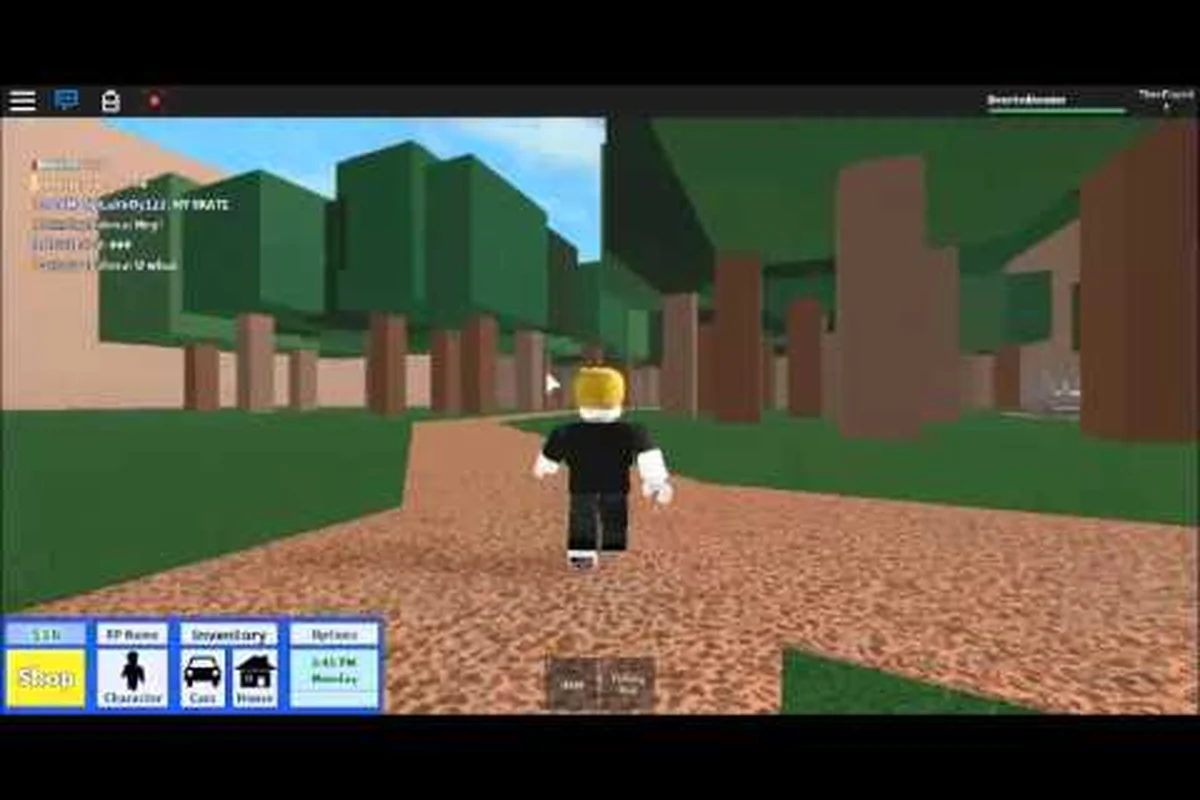
Roblox High School Fishing Guide: Spots, Rods, and Profits
Master the Roblox High School fishing guide from cast to sell — learn the best fishing spots, which rod to grab first, and how fishing stacks against part-time jobs.
All Articles
Roblox High School How Much Money Can You Get per Shift
Break down Roblox High School how much money can you get from part-time jobs, fishing shifts, and item sales so you can plan your next cash goal.
Roblox High School Money Tips to Stack Cash Every Day
Grab the best Roblox High School money tips before your next login — daily reward tricks, selling habits, and save-vs-spend moves that keep your wallet growing.
Roblox High School Paycheck: How Pay, Bank, and Earnings Work
Understand the Roblox High School paycheck system — learn when wages drop, how the bank holds your cash, and which jobs and side hustles boost your earnings most.
Roblox High School Fishing Rod: Catch Rates Compared
Compare every Roblox High School fishing rod by catch rate and sell price, and learn which one gives beginners the fastest cash without spending Robux.