
Houses
Roblox High School house guide: how to buy a plot, plan a layout, furnish every room and turn an empty shell into a mansion without wasting your budget.
Introduction
Property is the biggest purchase in Roblox High School and the clearest signal that you have moved past the broke-student phase. The catch is that a house is not one purchase but a series of them. You buy the plot, then the shell, then the furniture, then the exterior upgrades, and each stage can quietly consume the budget you saved for the next one. Students who plan the order end up with a finished home for the same money that other players spend on three incomplete rebuilds. This section walks through the stages in the order that keeps costs predictable, compares the styles players actually build, and explains why buying your furniture before your walls is the single most common way to waste a plot.
House Build Stages
| Stage | What You Pay For | Common Mistake |
|---|---|---|
| Buying the plot | Securing land before you can build anything permanent | Spending the build budget on furniture first |
| Shell and layout | Walls, floors, rooms and stairs that connect properly | Building room by room without a plan |
| Furnishing | Kitchen, bedroom, bathroom and living room essentials | Buying decorative items before seating and storage |
| Exterior and upgrades | Garden, pool, garage and finishing touches | Upgrading outside while rooms sit empty |
Build Styles
Starter Plot Build
The first house most students can actually afford, and the one that teaches you how the building tools behave before you spend serious money.
Modern Family Home
A mid-budget build with separated living spaces, which is what most players picture when they say they want a proper house.
Mansion Project
The long-term goal build: more rooms than you strictly need, an exterior that reads from across the street and a pool to finish it off.
Apartment and Dorm Style
A compact build that prioritises location and efficiency over floor space, which suits players who spend most of their session out in town.
Core Mechanics
House building starts with the plot, which is the fixed cost you cannot avoid and the reason most new players need a real money routine before they can begin. Once you own the land, the build proceeds in layers: shell first, meaning walls, floors, doors and the stairs that connect levels; then utilities and rooms, where you decide how many separate spaces you actually need; then furniture, which is where budgets usually break because seating, storage and kitchen pieces add up quickly. Materials and colours are the cheapest way to change how a build reads, so a modest house with consistent materials often looks better than a large one that mixes everything. Upgrades come last and are mostly cosmetic, covering the garden, the pool and the garage, and none of them require you to demolish what you already built.
Advantages
Building is the most personal system in the game. Nothing else lets you leave a mark on the town that other players can walk into, and a well-planned house becomes a social space as much as a status symbol. The layered structure is friendly to slow earners too, because you can stop at any stage and still have something usable: a shell with a bed and storage already beats living out of your inventory. Materials are cheap relative to furniture, which means a low-budget build can still look deliberate and consistent. And because upgrades are additive rather than destructive, nothing you spend early is wasted when you later decide to expand.
Challenges
The barrier to entry is steep for a new player. A plot costs more than most early purchases combined, and there is no way to partially buy in, so you either have the money or you keep saving while your friends are already decorating. Once you own land the costs keep arriving in waves, and furniture in particular is easy to overspend on because the individual prices look small until you total them. The game also gives no built-in cost planning, so players regularly finish a shell and discover they can no longer afford the rooms they designed. Finally, exact prices for plots and furniture are not published anywhere official, which makes budgeting advice necessarily approximate.
Frequently Asked Questions
How much does a house cost in Roblox High School?+
How do I build a house step by step?+
Why is my house empty even though I bought furniture?+
Quick Tips
Save past the plot price before you buy land. The plot is only the first payment in a chain that continues with walls, floors, doors and furniture, and a student who spends everything on the land ends up standing on an empty lot for weeks. Give yourself a buffer that covers the shell and a bed at minimum. That way the day you buy the plot is the day you can actually use it, and your money starts working as a home base instead of as idle land.
Pick your materials once and stay consistent. Matching walls, floors and furniture colours costs almost nothing extra but changes how a build reads from the street far more than adding another room does. Mixed materials make even an expensive house look unfinished, while a cheap build with one coherent palette looks planned. Decide the palette before you buy anything, write it down, and resist the impulse purchase that does not fit it.
Furnish rooms in priority order, not in the order you like them. Storage and a bed first, then a kitchen surface, then seating, then decoration. Decorative items are where budgets vanish because each one looks affordable in isolation. A house with a bed, storage and one good table looks lived in; a house full of ornaments with nowhere to sleep looks like a showroom that nobody uses. Function before finish is the rule that keeps the whole project affordable.
Featured
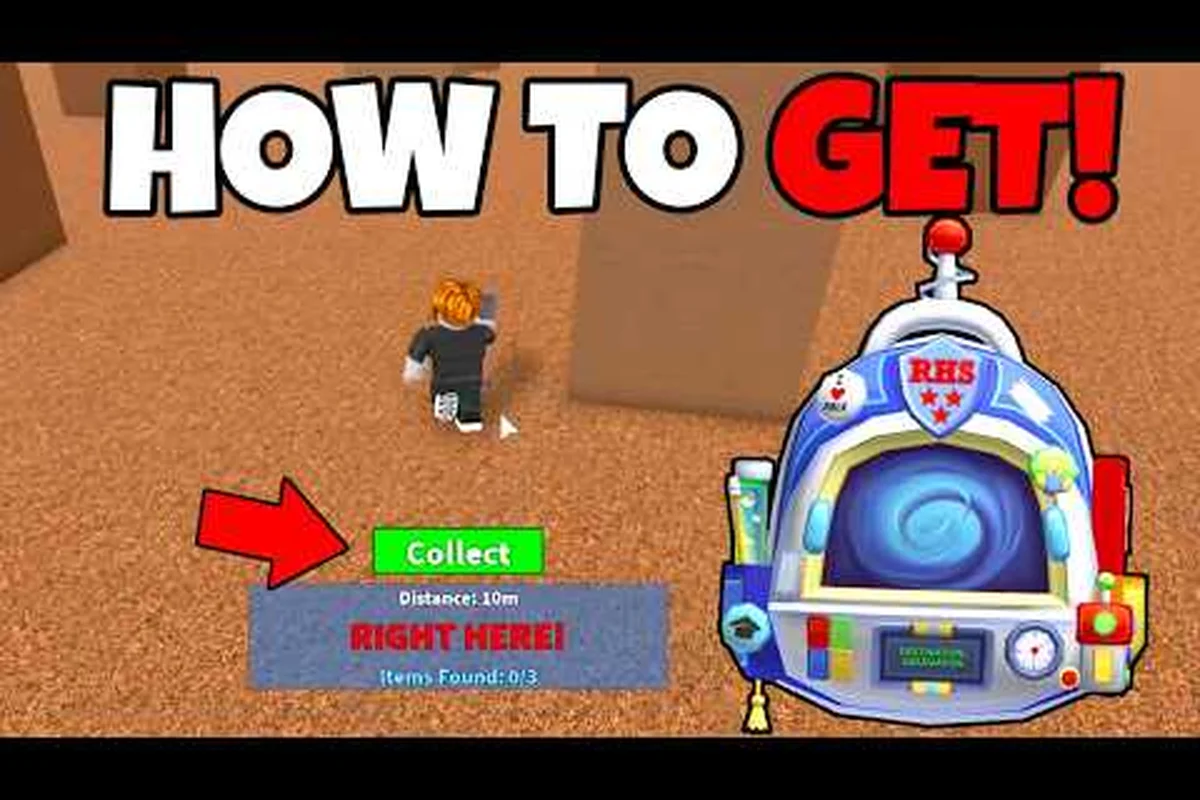
Roblox High School How to Buy a House: Plots, Prices, First Steps
Learn Roblox High School how to buy a house basics — claim an empty plot, check property prices like the $4,000 cozy cabin, and unlock your first room set.

Roblox High School Garden: Plots, Floors, and Outdoor Upgrades
Spruce up your Roblox High School garden with outdoor furniture, new floors, and wallpaper pairings that turn any plot into a campus showpiece.
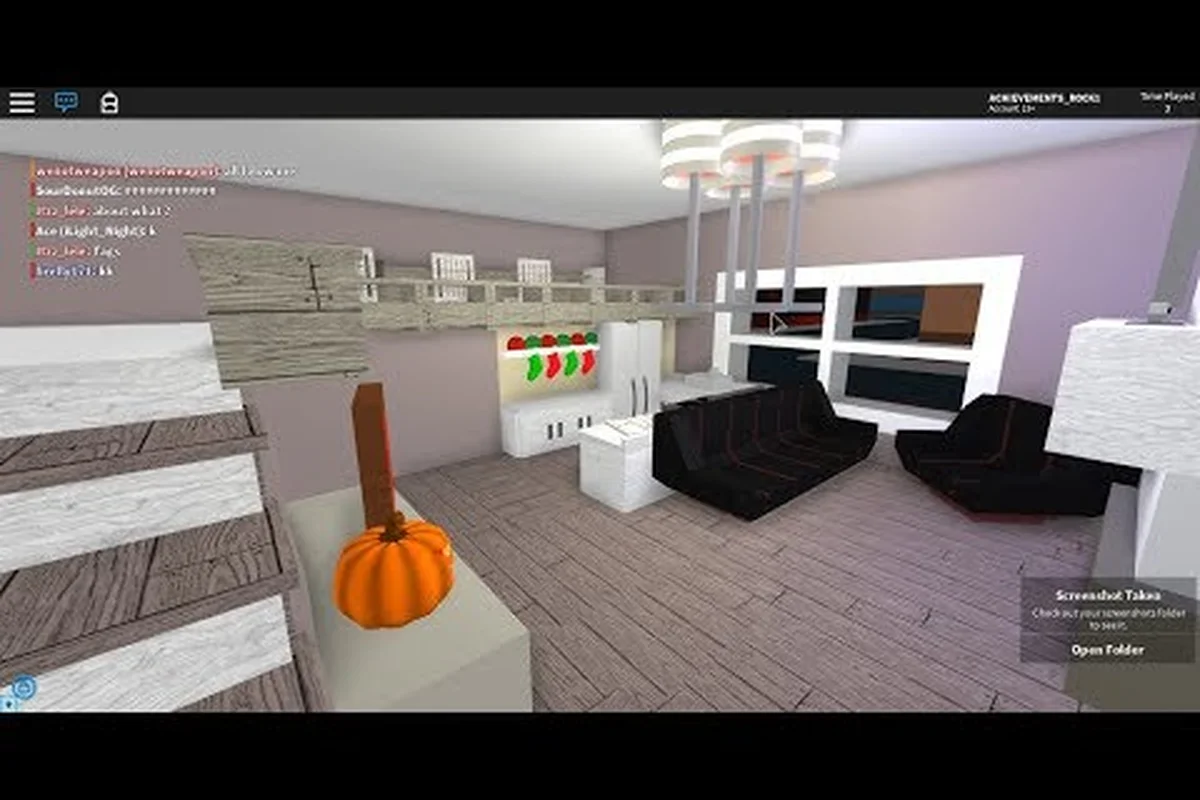
Roblox High School House Build Guide: From Plot to Finished Home
Follow the Roblox High School house build guide from claiming a plot to stacking walls, budgeting your cash, and showcasing your finished home to the campus.
All Articles
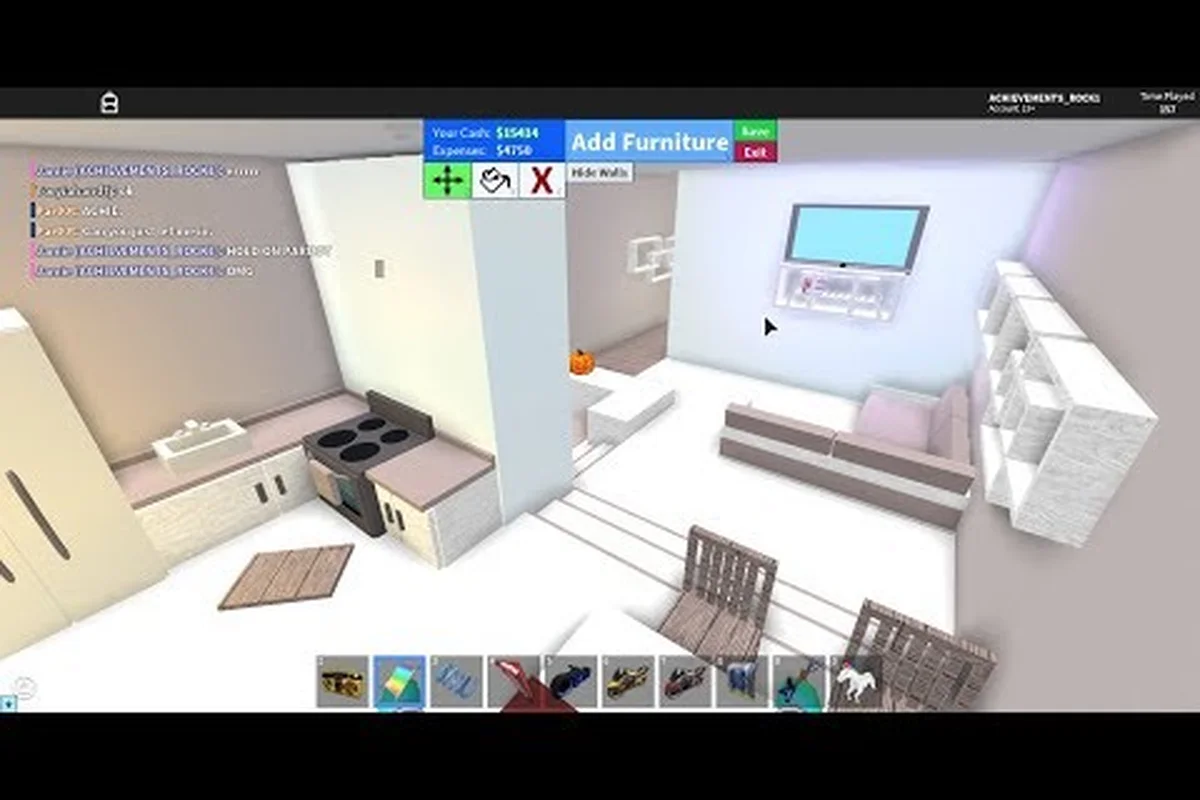
Roblox High School House Ideas: Designs That Pop on Campus
Browse Roblox High School house ideas for every budget, with cozy cabin, small apartment, and modern room layouts that make the most of your plot.

Roblox High School House vs Apartment: Which Home Fits You
Compare a Roblox High School house vs apartment side by side — weigh price, size, pool access, and style to pick the right home for your wallet and taste.
Roblox High School How to Decorate Your House on Any Budget
Master Roblox High School how to decorate your house with smart furniture picks, cheap upgrades, and luxury finishing touches that make every room shine.
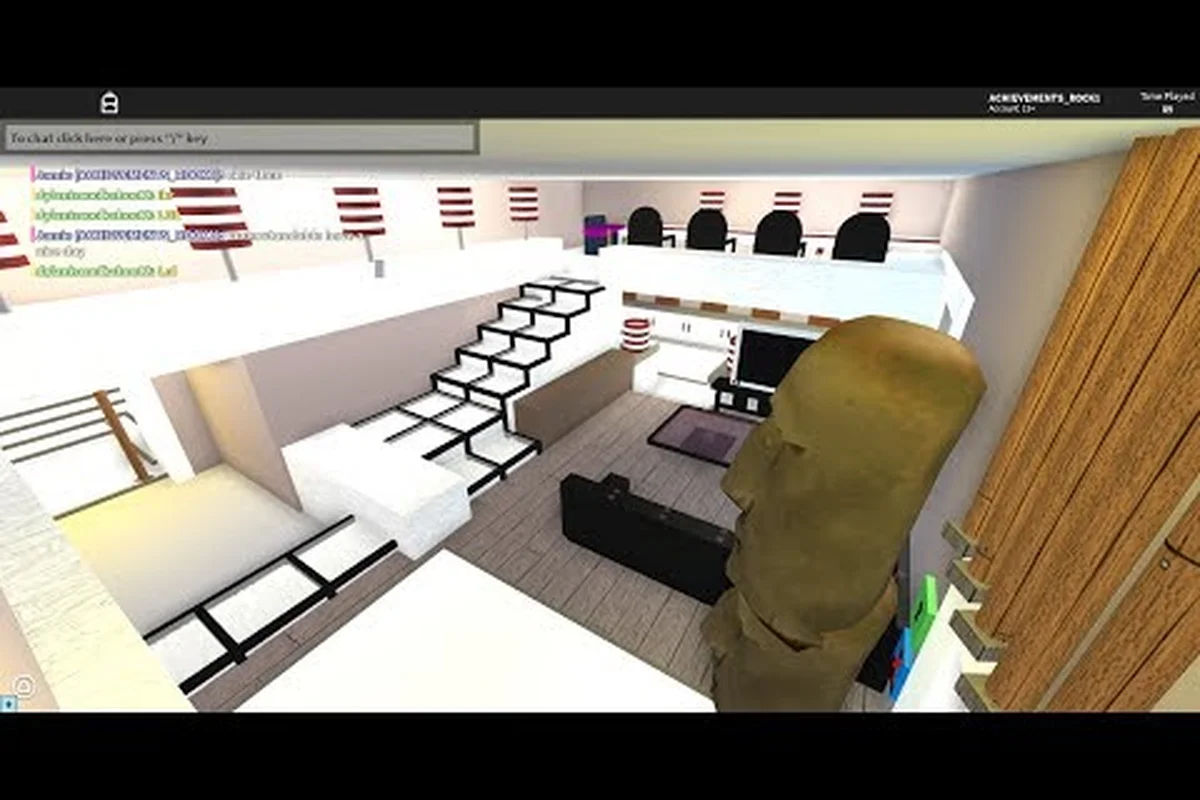
Roblox High School House Layout: Room-by-Room Builds
Map out a smart Roblox High School house layout using the room-by-room build order from living room to kitchen, pool, and hang-out space.